
 020 3744 3778
Achieve a Pristine Garden with These 3 Weed Control Strategies
Posted on 17/08/2025
Achieve a Pristine Garden with These 3 Weed Control Strategies
Maintaining an immaculate and healthy garden is a dream for many homeowners and gardening enthusiasts. However, weeds often threaten the aesthetic and health of even the most well-tended landscapes. Whether you are a novice or a seasoned gardener, discovering effective weed management techniques is crucial for nurturing a lush, weed-free garden. In this comprehensive guide, we'll explore three proven weed control strategies that can transform your plot into a beautiful sanctuary. Read on to discover how you can attain a pristine garden by outsmarting and outmaneuvering those persistent invaders!
Why Is Effective Weed Control Important?
Weeds are not just unsightly; they compete with your plants for vital resources such as water, nutrients, and sunlight. This competition can hinder the growth of your flowers, vegetables, and shrubs, diminishing the overall vigor and beauty of your garden. Furthermore, unchecked weeds can become breeding grounds for pests and diseases. That's why implementing robust weed control strategies is essential for every gardener aiming for a pristine, productive, and healthy outdoor space.
3 Effective Weed Control Techniques for a Pristine Garden
Let's dive into the best weed control strategies that will help you achieve the garden of your dreams:
1. Mulching Methods: Nature's Barrier Against Weeds
Mulching is not only one of the most effective weed control tactics but also an eco-friendly way to foster healthy soil and plant growth. When you apply mulch--organic or inorganic--over the soil surface, you create a barrier that prevents weed seeds from receiving the sunlight they need to germinate and grow.
-
Organic Mulches:
- Bark chips
- Straw
- Grass clippings
- Compost
- Shredded leaves
Organic materials gradually decompose, improving soil fertility and structure while stifling nuisance weeds.
-
Inorganic Mulches:
- Landscape fabric
- Gravel
- Black plastic sheeting
These materials provide excellent long-term weed suppression and are ideal for pathways and non-planting areas.
Pro Tip: To maximize weed suppression, spread a layer of mulch at least 2-3 inches thick and replenish it regularly as it decomposes or shifts.
2. Manual Weed Removal: The Classic Hands-On Approach
Sometimes, good old-fashioned effort is the most reliable solution for maintaining a weed-free landscape. Manual weed control involves physically removing weeds by hand or with simple garden tools. This strategy works best for attacking weeds before they set seed and spread, making it an essential component in your comprehensive weed prevention plan.
Why Choose Manual Removal?
- Immediate Results: Uprooting weeds provides instant gratification and visible improvement.
- Protects Desirable Plants: You can target specific weeds without disturbing your garden plants.
- Reduces Chemical Use: Manual methods are safe for the environment and beneficial insects.
For best results, tackle manual weeding after rainfall or watering when the soil is moist--the roots will slide out more easily. Use tools like:
- Hand trowels
- Garden hoes
- Weed pullers
Always remove the entire root to prevent regrowth. Focus on troublesome perennial weeds such as dandelions and bindweed, which can regenerate even from small root fragments.
3. Utilizing Organic Herbicides for Safe and Effective Weed Control
If you're seeking an eco-conscious approach to weed management without resorting to synthetic chemicals, organic herbicides provide an ideal solution. These products rely on natural compounds to inhibit or eradicate weeds while minimizing risks to humans, pets, and local wildlife.
-
Common Organic Herbicides:
- Vinegar-based sprays: Acetic acid burns weeds on contact, especially young annuals.
- Bio-degradable soaps: Fatty acid soaps break down cell walls in weed leaves.
- Corn gluten meal: Acts as a pre-emergent herbicide, inhibiting the growth of new weed seeds.
Important: While organic herbicides are safer than their synthetic counterparts, always apply carefully to avoid harming wanted plants. Many natural products work best on young or actively growing weeds and may require repeated applications for stubborn species.
Integrated Weed Management: Combining Strategies for Maximum Effectiveness
No single technique provides a permanent solution, especially when battling aggressive or persistent weeds. The secret to a pristine, weed-free garden is integrating multiple approaches. Here's how you can combine the three primary weed control strategies for optimal success:
- Apply mulch immediately after planting to suppress weed germination and reduce light penetration.
- Inspect your garden regularly and promptly remove any weeds that break through your mulch barrier.
- Spot-treat problem areas with targeted organic herbicide applications, focusing on patios, pathways, and mulched beds where persistent weeds pop up.
By adopting a multi-pronged approach to garden weed management, you will find it easier to maintain order, protect your plants, and keep your garden looking immaculate throughout the year.
Timing and Consistency: The Cornerstones of Winning the Weed War
Weed control is not a one-time job--it requires consistent, seasonal attention. Here's a seasonal checklist to help you stay ahead:
- Spring: Apply a fresh layer of mulch, begin manual weeding early, and use pre-emergent organic treatments like corn gluten meal.
- Summer: Continue manual removal; monitor for invasive weeds and intensive growth. Water your garden deeply to help preferred plants outcompete weeds.
- Autumn: Remove weeds before they drop seeds. Replenish mulch before winter to suppress cool-season invaders.
- Winter: Inspect for dormant perennial weeds and plan for the coming growing season.
Through diligence and routine care, your garden will remain a sanctuary with minimal weed intrusion, year after year.
Additional Tips for Maintaining a Weed-Free Garden
- Healthy Soil Equals Healthy Plants: Build up your soil with compost and organic matter to foster robust plant growth, which naturally crowds out weeds.
- Dense Planting: Space your plants appropriately so they shade the ground, limiting sunlight for weed seeds.
- Regular Inspections: Always keep an eye on new weed growth and address it before it spreads or flowers.
- Plant Groundcovers: Use low-growing groundcovers in bare areas to smother weeds naturally.
- Edge Your Beds: Physical barriers like edging can stop weed roots from creeping in from lawns or wild areas.
Common Weeds and How to Tackle Them
Understanding your main adversaries can help target your garden weed control strategies more effectively. Here are a few notorious troublemakers and recommended actions:
- Dandelions: Deep taproots require full removal; loosen soil with a tool before pulling.
- Crabgrass: Pre-emergent herbicides and thick mulch reduce infestation. Hand-pull before seeding.
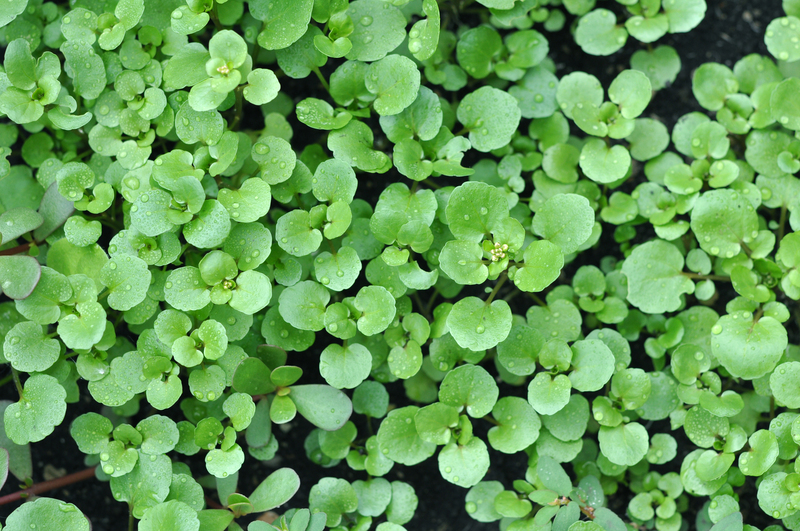
- Chickweed: Thrives in cool, moist conditions. Remove early; cover bare spots with mulch.
- Bindweed: Persistent perennial; repeated manual removal and mulching are necessary.
Conclusion: Crafting Your Pristine, Weed-Free Garden
Achieving a pristine, weed-free garden is not a distant fantasy but a realistic goal with the right approach. By embracing mulching methods, manual weed removal, and organic herbicide use, you arm yourself with a robust arsenal against unwanted intruders. Integrating these approaches, staying consistent year-round, and promoting healthy plant growth will lead to a thriving outdoor space you can be proud of.
Start implementing these weed control strategies today, and soon you'll be rewarded with a lush, beautiful, and peaceful garden that reflects your dedication and love for nature!
Your dream garden is within reach - outsmart weeds and let your landscape flourish!
Latest Posts
Begin Your Garden's Revival with These Steps
Calm the Storm: Effective Strategies for Windy Gardens
Mastering the Craft of Hedge Trimming: Shapes and Techniques
Top Gardening Tools Every Outdoor Lover Needs
Breathing New Life into Waste: Creating Nutrient-Packed Soil