Gardeners serving Westfield Stratford City estates and flats: practical, reliable care for shared outdoor spaces
Finding gardeners serving Westfield Stratford City estates and flats is a little different from hiring someone for a typical back garden. You are usually dealing with shared access, residents who need minimal disruption, tighter planting spaces, balconies, podium gardens, communal courtyards, and building rules that matter more than most people expect. The good news? With the right approach, these spaces can look calm, welcoming, and well-kept without becoming a weekly headache.
This guide breaks down how estate and flat gardening works, what makes it worth doing properly, and how to choose maintenance that actually fits the way people live in modern London housing. Whether you manage a block, look after a private terrace, or simply want the shared garden kept tidy, the details below should help you make better decisions. A lot better, to be fair.
And if your space already feels a bit tired, overgrown, or awkward to maintain, that is normal. Shared outdoor areas have a way of collecting problems slowly. One week it is a few weeds, then suddenly the seating area looks forgotten. Happens all the time.
Why Gardeners serving Westfield Stratford City estates and flats Matters
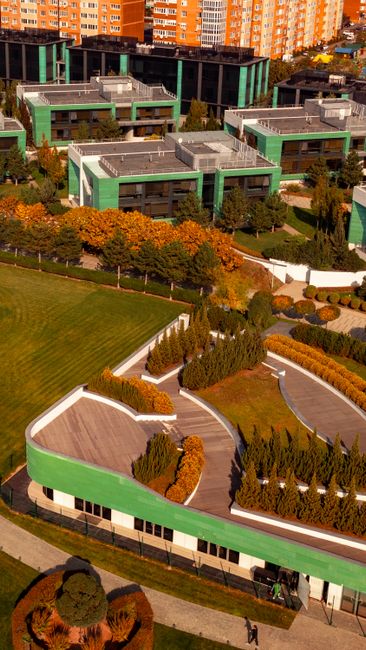
Westfield Stratford City sits in one of London's busiest, most mixed-use environments. Around it, homes range from compact flats to larger estate developments with shared entrances, planted borders, rooftop or podium areas, and communal courtyards that need regular attention. In those settings, gardening is not just about appearance. It affects how residents experience the building every day.
Neat planting can soften hard edges, reduce that grey concrete feel, and make a place feel cared for. That matters in developments where people come and go quickly and where first impressions really do stick. A tidy entrance bed, well-managed hedging, and uncluttered paths say more than most people realise.
There is also a practical side. Shared spaces need predictable maintenance because one missed cut or one unmanaged corner can quickly affect everyone. In a block of flats, for example, someone's overflowing planter or a neglected communal strip can become a nuisance for neighbours, especially if it starts blocking light, attracting litter, or making access awkward.
That is why specialist gardeners for estates and flats are usually focused on routine, consistency, and simple systems rather than dramatic makeovers every time. You want a space that stays respectable between visits. Not perfect every single day, because that is fantasy, but dependable. Dependable is the goal.
For residents and managing agents alike, the value also comes from reducing stress. If there is a clear schedule, clear scope, and sensible communication, the gardening side becomes one less thing to chase. That is the bit people notice most when it is done well.
How Gardeners serving Westfield Stratford City estates and flats Works
Garden care in estates and flats usually starts with a site review. This is where the gardener looks at access points, shared spaces, planting conditions, drainage, shade, foot traffic, and any restrictions that affect work times or waste removal. A good review will also spot practical details such as broken edging, compacted soil, or areas where residents keep stepping into beds because the layout is not obvious.
From there, the work is normally split into regular maintenance and occasional specialist tasks. Regular maintenance might include lawn mowing, hedge trimming, pruning, weeding, deadheading, litter clearance, and keeping communal beds tidy. Specialist work might involve seasonal planting, soil improvement, climbing plants, pressure-free redesigns, or larger landscaping adjustments.
The best service plans are usually built around the actual use of the space. A small resident garden that gets daily use needs a different routine from a quiet decorative courtyard. Likewise, a roof terrace with containers needs different attention from a ground-floor estate border exposed to wind and heavy foot traffic.
Communication matters too. In a shared building, gardeners often need to work around resident access, quiet hours, delivery windows, and property management schedules. That can sound fiddly, but it is part of the job. The upside is obvious: fewer complaints, better safety, smoother progress.
If you want a broader overview of what ongoing upkeep can include, the garden maintenance service page gives a good sense of routine tasks and how they fit together. For more full-scope help, it is also worth looking at gardening services as a wider option rather than treating every job as a separate one-off.
In many estates, the work is seasonal by nature. Spring often means recovery and refresh. Summer is about keeping growth under control. Autumn is for leaf clearance and preparing beds. Winter is less glamorous, admittedly, but that is when a lot of resilience work happens quietly in the background.
Key Benefits and Practical Advantages
The biggest benefit is simple: a shared outdoor area becomes easier to live with. That sounds basic, but it is the foundation of everything else. When plants are managed well, paths stay clearer, entrances feel more inviting, and residents are more likely to use the space instead of ignoring it.
Here are the advantages that tend to matter most in estates and flats:
- Better first impressions for residents, guests, and prospective tenants.
- Lower long-term repair pressure because overgrowth, blocked drains, and damaged edges are caught earlier.
- Safer access where paths, steps, and communal walkways stay clearer.
- Less resident frustration because maintenance is predictable rather than reactive.
- More usable outdoor space for seating, relaxing, or simple everyday movement.
- Better planting health through correct pruning, feeding, and seasonal care.
There is another benefit people sometimes underestimate: calm. A decent communal garden softens the noise and pace of urban living. Even a modest strip of planting can make the difference between a building that feels temporary and one that feels looked after. You notice it most on grey mornings, when a clean path and healthy greenery do a surprising amount of emotional heavy lifting.
If your space is meant to be low effort, that can be designed in too. The right planting scheme and maintenance routine can reduce workload without making the area look bare. For practical ideas, the low-maintenance garden tips article is especially relevant for busy developments.
Who This Is For and When It Makes Sense
This type of gardening service is a strong fit for estate managers, letting agents, resident associations, housing blocks, freeholders, and flat owners with shared or semi-private outdoor areas. It is also useful for commercial-residential developments that want the exterior to feel polished without asking residents to manage it themselves.
It makes sense when:
- the garden is shared and everyone assumes someone else is handling it;
- the planting area is small but tricky to maintain;
- the site needs regular tidying rather than a one-off redesign;
- access is limited and work has to be done carefully;
- residents have complained about weeds, litter, or untidy borders;
- there are seasonal problems like wind damage, leaf fall, or patchy growth.
It also makes sense if the outdoor space is functional rather than ornamental. For example, a courtyard with bins, bike storage, or resident seating still needs planting and structure, but it needs those things without crowding access. That is where experienced garden planning really helps.
For flats with balconies or planter-heavy layouts, container-based maintenance can be the right answer. If that sounds like your setup, take a look at container gardening basics because the principles translate well to urban living.
And if the issue is not the whole garden but privacy or screening, then strategically chosen planting can solve a lot. In the right place, a hedge or climber does the job quietly, without making the space feel boxed in. It is one of those small wins that feels bigger than it should.
Step-by-Step Guidance
If you are arranging garden care for an estate or flat development, it helps to think in stages rather than trying to fix everything at once. Here is a practical order that works well in real life.
- Assess the space properly. Walk the site, note the trouble spots, and identify what is shared versus private.
- Define the maintenance goal. Is the aim tidiness, planting recovery, privacy, usability, or all four?
- Prioritise safety and access. Clear paths, entrances, drainage points, and any areas where people regularly pass through.
- Choose the right level of routine care. Some sites need weekly attention; others are fine on a lighter schedule.
- Handle the growth structure first. Deal with hedges, shrubs, and overgrown edges before polishing the details.
- Improve the soil and plant health. Healthy beds are easier to maintain than exhausted ones.
- Finish with presentation. Edging, sweeping, waste removal, and small tidy-ups make a bigger visual difference than many people expect.
In practice, this sequence saves time. If you mow or prune before you clear access and assess the layout, you can end up doing the same work twice. Not ideal. A good gardener will think like a site manager for a moment, then switch back into horticulture.
For example, if a communal courtyard has patchy ground cover and too much exposed soil, it may be better to strengthen the planting with a more resilient mix before increasing the cut frequency. You can explore ideas in the ground cover choices article, which is handy for tricky, busy spaces.
Where shade is the issue, climbing plants can transform otherwise ignored corners. The article on evergreen climbers for shaded corners is a useful companion read if your estate has awkward north-facing walls or dark boundary fences.
Expert Tips for Better Results
After a while, you notice that the best-looking estate gardens are not always the most expensive. They are the ones with the right plants in the right places, maintained consistently, and not overcomplicated. Simple, but not lazy.
Here are the details that make a real difference:
- Choose resilient planting. Wind, shade, reflected heat, and foot traffic all shape what will survive.
- Use structure first, flowers second. In shared spaces, hedges, evergreen shrubs, and ground cover usually do more work than seasonal bedding.
- Plan for year-round appearance. A few winter-bare weeks are fine. Months of emptiness are not.
- Cut with the building in mind. Don't let plants grow into sight lines, doorways, or windows.
- Keep a buffer between planting and paths. It reduces accidental damage and makes maintenance cleaner.
- Mulch where appropriate. It helps lock in moisture and keeps weeds from taking over the place like they own it.
One very practical tip: think about the residents who use the space at different times of day. Morning dog walkers, people heading to work, parents with pushchairs, residents carrying shopping bags after 6 p.m. Those small patterns affect how the garden should be shaped and maintained.
If the area gets exposed to gusts around open edges, it helps to choose plants and shapes that can cope. There is a good overview in windy garden strategies, and honestly, that sort of planning is worth its weight in compost.
For long-term garden health, soil matters more than many people think. If beds keep failing, it is often the soil, not the plants. The article on creating nutrient-packed soil is a solid reminder that healthy ground underpins everything above it.
And yes, a decent toolkit matters too. You do not need every shiny gadget in the world. Just the right ones. The essential gardening tools guide is useful if you are building a proper kit for regular maintenance.
Common Mistakes to Avoid
Shared gardens often fail for the same reasons over and over. The problem is rarely a lack of care at the start. It is usually a lack of consistency, planning, or realism.
- Choosing decorative plants that cannot cope with the site. Pretty is fine, but if the plant sulks all year, it is wasted money.
- Ignoring access routes. Overgrown edges around gates, doors, and service areas create avoidable problems.
- Leaving pruning too late. Once growth gets out of hand, the space can look untidy for weeks even after work is done.
- Overwatering container displays. This is common on balconies and terraces, where drainage can be awkward.
- Using the same maintenance routine all year. Winter and summer are very different beasts.
- Forgetting waste removal. Tidy work means little if piles of clippings stay on site too long.
There is also a social mistake: not speaking plainly with residents or managers about what the service includes. If expectations are fuzzy, people assume the wrong thing. Then everyone is slightly annoyed, which helps nobody. A clear scope is kinder for everyone involved.
Another one? Trying to create too much lawn in a space that is really more suited to planting, paving, and containers. Turf is lovely when it has the right conditions. In many estate courtyards, though, it becomes a patchy compromise. Better to be honest about what the site can support.
Tools, Resources and Recommendations
For estate and flat gardening, the right tools are the ones that let you work neatly, safely, and repeatably. Most sites do not need exotic equipment. They need reliable equipment and someone who knows when to stop.
Useful tools and resources typically include:
- lightweight mowers for small or awkward lawn areas;
- sharp hedge trimmers for clean, safe cuts;
- secateurs and loppers for targeted pruning;
- leaf tools for seasonal clearance;
- sturdy gloves and safety wear;
- containers and trays for balcony or terrace planting;
- soil improvers and mulch for tired beds;
- site notes or a maintenance log for recurring issues.
If your estate has a mix of lawns, borders, paved edges, and seating areas, it is often sensible to group the work around services rather than treating each feature separately. You may find the lawn mowing, lawn care, and patio cleaning pages helpful as practical starting points for specific needs.
For bigger visual changes, a broader landscaping approach may be more sensible than repeating short-term fixes. And if the site needs defined edges, screening, or repairs around the boundary, it can be worth considering fencing or even decking services where those features fit the building design.
When you are comparing maintenance ideas, it can also help to browse articles on creating seating areas and vertical gardens. Both are especially relevant in flats where floor space is limited but outdoor value still matters.
Law, Compliance, Standards and Best Practice
For shared residential gardens, good practice matters as much as appearance. While every development is different, estate and flat gardening should always respect access, safety, neighbour comfort, and any site-specific management rules. In real terms, that means work should be planned so it does not block exits, create slipping hazards, or leave debris in communal areas.
Gardeners working around flats also need to be careful with tools, waste handling, and noisy tasks. A sensible schedule reduces disruption, and a clean handover matters after every visit. If access arrangements, resident instructions, or timing restrictions are part of the building rules, those should be followed carefully. No drama, just proper site discipline.
It is also wise to use contractors who can explain how they approach safety and public liability in plain English. For peace of mind, the service provider should be able to talk clearly about insurance and safety and should have a straightforward health and safety policy. That is not red tape for the sake of it. It is what keeps residents, visitors, and workers protected.
On the customer-service side, clear terms, payment expectations, and dispute handling also matter in block management settings. Useful references include terms and conditions, payment and security, pricing and quotes, and the complaints procedure. It is better when all of that is transparent from the start.
If the work involves regular visits, good communication and basic record-keeping are best practice. Even a simple note of what was done, what was missed, and what needs attention next time can make a site run much more smoothly. That kind of detail is boring in the best possible way.
For wider transparency and trust, many readers also like to know more about the business behind the service. The about us page is the natural place to understand the team, while the main gardening services overview helps position the practical scope.
Options, Methods, or Comparison Table
There is no single best way to care for an estate or flat garden. The right method depends on how the space is used, how much time the site team can spare, and whether the focus is beauty, durability, or both.
| Approach | Best for | Strengths | Limitations |
|---|---|---|---|
| Routine maintenance visits | Shared gardens, entrances, borders, and light lawn care | Reliable, tidy, predictable | Not ideal for major redesigns |
| Seasonal refresh work | Flower beds, planter displays, and recovery after winter | Strong visual impact | Needs follow-up to stay effective |
| Low-maintenance planting design | Busy estates and rented flats | Reduces workload and resident complaints | Less colourful than high-input schemes |
| Full landscaping support | Courtyards, podiums, and awkward or tired layouts | Can solve structural problems | Higher commitment and planning needed |
| Container-based gardening | Balconies, terraces, and compact outdoor areas | Flexible and space-efficient | Needs watering and drainage care |
For many buildings, the best answer is a combination. Routine upkeep keeps things under control, while seasonal jobs improve health and presentation. That blended approach is usually more sustainable than relying on one-off interventions when the garden has already slipped.
Privacy is another factor worth comparing. Sometimes a neatly managed hedge is better than screens or heavy structures. For ideas, the article on quick-growing hedges for privacy offers useful context, especially for homes that overlook shared outdoor areas.
Case Study or Real-World Example
Picture a typical residential block near the Stratford area: a small communal front strip, a narrow side access path, a few raised planters, and a shared courtyard used for bins, deliveries, and occasional seating. At first glance it does not look like much. But in practice, it is exactly the sort of space that can go from decent to scruffy very quickly.
In one realistic maintenance scenario, the main issues would likely be weeds around paving edges, overgrown shrubs reducing light to ground-floor windows, tired container displays, and a patchy seating corner that no one wants to use. The fix would not be a big rebuild. It would be a sensible sequence: clear the access routes, prune back growth, refresh the containers, add ground cover or mulch, and then set up a repeat visit schedule so the space never falls back into disorder.
Once that happens, the change can be surprisingly immediate. Residents start noticing the cleaner entry line. The space feels wider. The seating area becomes usable again. Even the sound changes a bit, if that makes sense; a tidy courtyard feels less cluttered, less noisy in the eye. It is not magic. It is just good maintenance done at the right rhythm.
If the site also has children, pets, or people who use the area often, the layout should be kept simple and safe. Relevant guidance on safe garden spaces for kids and gardens shared with pets can help shape better decisions before any planting is ordered.
And if the garden has become genuinely overrun, it is often best to start with a recovery plan rather than a cosmetic tidy. The article on garden revival steps is a good fit for that sort of reset.
Practical Checklist
Use this checklist when assessing or booking gardeners for an estate, block, or flat complex near Westfield Stratford City.
- Confirm whether the space is communal, private, or mixed use.
- List the main issues: weeds, hedges, lawns, containers, access, or litter.
- Check how often the site actually needs attention.
- Note resident access rules, quiet hours, and delivery constraints.
- Decide whether the priority is maintenance, repair, or redesign.
- Ask how waste will be removed and where it will go.
- Make sure the gardener understands safety and site access.
- Choose planting that fits shade, wind, and foot traffic conditions.
- Ask for a clear written scope or quote.
- Review how follow-up visits will be handled.
Quick expert summary: the best estate and flat gardening is not the flashiest. It is the most consistent. Start with safety, then structure, then planting health, and only then worry about decoration. That order saves time and usually saves money too.
Conclusion
Gardeners serving Westfield Stratford City estates and flats are there to make shared outdoor spaces easier to live with, not just nicer to look at. That distinction matters. A good estate garden should support residents, frame the building, and stay manageable across the seasons without becoming one more thing for someone to chase.
When the work is planned properly, even modest spaces can feel calmer, greener, and more welcoming. You get better access, better presentation, and fewer little problems building up in the background. That is the real value. Quiet improvement, week after week.
If you are weighing up maintenance, upgrades, or a complete reset for a communal or flat-based garden, the next sensible step is to compare the scope of work against the space you actually have. That way you avoid overbuying, underplanning, or expecting a courtyard to behave like a country garden. It won't. And that is fine.
Get a free quote today and see how much you can save.
Sometimes the smallest change outside a front door makes the whole place feel better when you step back in at the end of the day.
Frequently Asked Questions
What do gardeners serving Westfield Stratford City estates and flats usually do?
They usually handle communal maintenance such as mowing, hedge trimming, weeding, pruning, planting care, patio tidying, and general site presentation. In some cases, they also help with landscaping and seasonal refreshes.
Do estate gardens need a different approach from private gardens?
Yes. Shared spaces need more planning around access, resident use, safety, and consistency. A private garden can be maintained around one person's routine, but estates and flats need predictable care that works for multiple users.
How often should a communal garden be maintained?
That depends on the size, planting style, and foot traffic. Busy entrances and shared courtyards often need regular visits, while smaller decorative spaces may be fine with a lighter schedule. The point is consistency rather than reacting after it has gone wrong.
Can gardeners work in buildings with restricted access?
Usually, yes, if access arrangements are agreed in advance. Many flat developments have timing rules, key procedures, or managed entry points, and a good gardener will work around those without causing disruption.
What if the space is mostly balconies and containers?
That is still very workable. Container-based maintenance can cover watering, feeding, deadheading, replacement planting, and drainage checks. For smaller flat spaces, containers are often the most practical way to add greenery without crowding the area.
Is landscaping worth it for a small estate courtyard?
It can be. Sometimes small courtyards need a smarter layout more than more planting. A modest landscaping change may improve movement, seating, privacy, and the overall feel of the space much more effectively than repeated patch repairs.
How do I know if I need lawn care or full garden maintenance?
If the main issue is turf health, mowing, or patchiness, lawn care may be enough. If the area also needs pruning, weeding, edging, planting, and general tidy work, broader garden maintenance is usually the better fit.
What should I ask before hiring gardeners for a block of flats?
Ask what tasks are included, how often they visit, how they handle waste, how they manage safety, and whether they can work around resident access. A clear scope prevents misunderstandings later.
Are there safety concerns in communal garden work?
Yes, mainly around tools, trip hazards, slips, access routes, and keeping residents away from active work areas. That is why insurance, safe practice, and a proper health and safety policy matter so much.
Can gardeners help make a shared garden more private?
Absolutely. The right hedges, climbers, screening plants, or layout changes can make a shared garden feel calmer and less exposed. It is often a better solution than building heavy barriers.
What are the biggest mistakes property managers make?
The most common mistakes are leaving maintenance too long, choosing plants that do not suit the site, ignoring access issues, and failing to define who is responsible for what. Shared spaces need clear ownership, otherwise they drift.
How do I start if the garden has become overgrown?
Start with a clear-up and recovery plan rather than trying to tackle everything at once. Clear access, reduce overgrowth, assess the soil and planting, then build a realistic maintenance routine from there. It is much less overwhelming that way.