Recycling and Sustainability for Gardeners Maryland
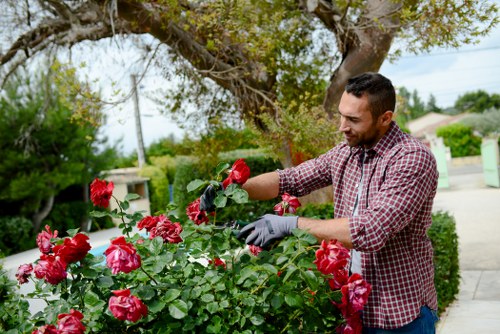 Gardeners Maryland is committed to greener working practices that support cleaner streets, healthier soil, and a lighter footprint across the areas we serve. Our approach to recycling in gardening services is built around practical reuse, responsible sorting, and ongoing reduction of landfill waste. By treating every clearance, cutback, and site tidy-up as an opportunity to separate materials properly, we help clients benefit from a service that is both efficient and environmentally aware. We aim to keep our recycling percentage target steadily high, with a clear focus on diverting as much green waste, cardboard, plastic, metal, and reusable material from disposal as possible.
Across Maryland and surrounding districts, waste handling expectations can vary from one local area to another, so our methods are designed to fit local recycling rules and collection systems. In many boroughs, waste separation has become more structured, with households and businesses encouraged to sort garden waste, general rubbish, and recyclable packaging into distinct streams. That same principle informs our own sustainable garden waste management process. We pay close attention to where each material belongs so that compostable matter, clean timber, broken fittings, and mixed debris are handled in the most responsible way.
Our work also includes use of local transfer stations that allow materials to be directed into approved recovery and processing channels. These facilities play an important role in the wider recycling network, especially where bulky green waste or mixed site materials need further sorting. By making use of nearby transfer points, Gardeners Maryland reduces unnecessary travel and helps improve the overall efficiency of the disposal chain. This is especially valuable for projects involving hedge reduction, tree pruning, soil movement, or garden clearances where multiple waste types are produced in a single visit.
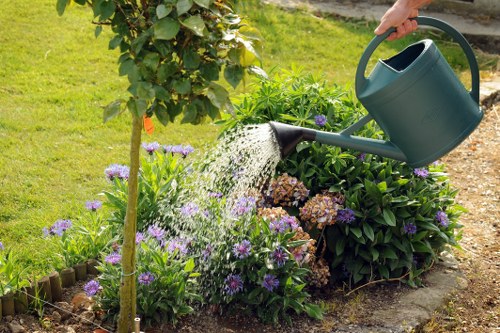 Partnerships with charities form another meaningful part of our sustainability approach. Where suitable, reusable items such as intact planters, garden furniture, tools, decorative pots, or salvageable timber may be directed toward charitable organisations rather than discarded. This supports community reuse while reducing the volume of waste requiring processing. In some cases, plant material and organic matter can also support local green initiatives when they are suitable for composting or habitat-focused projects. These arrangements help extend the life of useful materials and reinforce the idea that eco-friendly gardening services in Maryland should do more than simply remove waste.
Our fleet supports these aims through the use of low-carbon vans that are chosen to reduce emissions and improve fuel efficiency. Cleaner transport is an important part of any sustainable landscaping and garden maintenance operation, particularly where repeated visits are needed for ongoing care, clearance, or seasonal work. Lower-emission vans help reduce the environmental impact of moving crews and materials across town, especially on routes that include multiple stops. They also support our wider commitment to reducing noise, congestion, and carbon output as part of everyday service delivery.
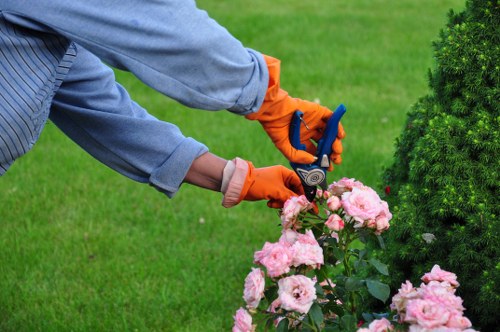
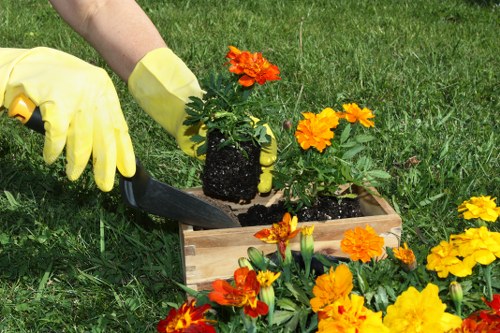 Recycling performance is most effective when it is built into the job from the start. That is why our teams plan disposal and sorting alongside the work itself, rather than treating waste as an afterthought. During pruning, for example, green cuttings can be separated from non-organic packaging immediately; during bed renovation, stones, soil, and plant matter can be managed in different ways; and during seasonal clear-ups, any reusable materials can be isolated before the final load leaves site. This practical system helps Gardeners Maryland maintain a high recycling rate while also keeping gardens tidy and projects on schedule.
In areas where borough-led waste separation is especially well established, residents and businesses often expect similar care from the services they use. Our methods reflect that expectation by matching recyclable material with the appropriate route wherever possible. Clean cardboard and plastics from supplies may be placed with dry recyclables if suitable, while branches, leaves, and grass cuttings are prioritised for composting or green recovery. Even smaller items, such as plant labels, broken terracotta, and metal fixings, are assessed with recovery in mind. This attention to detail gives our garden recycling solutions a practical edge and helps reduce avoidable waste.
We also recognise that sustainability is not limited to what leaves a site. It includes the materials we choose, the vehicles we use, and the habits we build over time. By reducing single-use items, planning journeys efficiently, and prioritising recovery over disposal, Gardeners Maryland continues to move toward a more circular way of working. The aim is not only to complete garden tasks well, but to do so in a manner that respects local environmental goals and supports cleaner neighbourhoods throughout the region.
 Responsible recycling is now an essential part of modern garden care, and our service is shaped around that understanding. Whether we are dealing with pruning waste, old containers, surplus soil, or mixed clearance materials, we seek to keep as much as possible in productive use. This includes coordinating with authorised facilities, rehoming suitable items through charity partners, and operating with low-carbon vans that reinforce our environmental standards. For clients seeking green gardening support in Maryland, this approach offers a balance of professionalism, practicality, and sustainability.
 Looking ahead, Gardeners Maryland will continue refining its recycling percentage target and strengthening the systems that support it. As local expectations around borough waste separation and resource recovery evolve, we remain focused on adapting our methods to stay aligned with best practice. That means better sorting, smarter transport, stronger reuse partnerships, and continued attention to the life cycle of every material we handle. By weaving sustainability into everyday operations, we help create gardens that are well maintained and communities that are better served by responsible environmental action.