Landscape Gardening in Maryland: Creating Beautiful Outdoor Spaces That Thrive
Landscape gardening in Maryland is more than planting a few shrubs and adding mulch. It is about shaping outdoor spaces that look beautiful through the seasons, support healthy plant growth, and fit the unique conditions of the region. From the coastal plains of the Eastern Shore to the wooded neighborhoods of Montgomery County and the urban yards of Baltimore, Maryland offers a wide range of landscapes and microclimates that influence how a garden should be designed and maintained.
Homeowners, property managers, and businesses often seek landscape gardening in Maryland because they want curb appeal, functional outdoor living areas, and plant selections that can handle local weather patterns. With hot, humid summers, cold winters, clay-heavy soils in many areas, and changing precipitation levels, successful landscaping here depends on planning. A well-designed garden can increase property value, reduce maintenance, and create a peaceful place to relax, entertain, and enjoy nature.
Whether you are starting with a blank yard or refreshing an established property, landscape gardening in Maryland should balance beauty, durability, and regional suitability. In this article, we will explore the best approaches, plant choices, seasonal strategies, and design ideas that make Maryland landscapes stand out. You will also find practical tips for improving your own yard with style and purpose.
Understanding Maryland’s Landscape Gardening Conditions
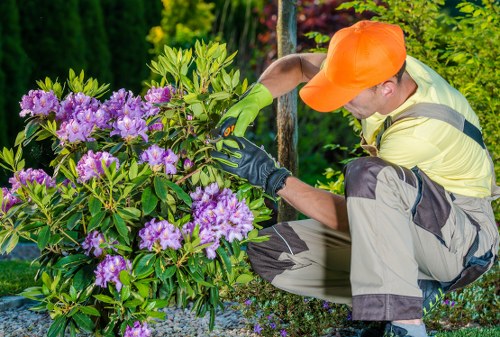
One of the first steps in landscape gardening in Maryland is understanding the local environment. Maryland sits in the Mid-Atlantic region and includes a mix of coastal, piedmont, and mountain-influenced areas. This means that gardening conditions can vary significantly from one part of the state to another. A plant that thrives in southern Maryland may struggle in western counties with colder winters, while a species suited for sandy coastal soil may not perform well in dense clay soil farther inland.
The state generally experiences four distinct seasons, which is both a challenge and an opportunity. A successful Maryland landscape garden should provide visual interest in spring, summer, fall, and winter. That means choosing a mix of evergreens, flowering shrubs, perennials, ornamental grasses, and trees that offer texture or color even during dormant months. The best landscapes are not just attractive in one season; they remain appealing all year long.
Soil conditions matter just as much as climate. Many Maryland properties have compacted clay, especially in suburban neighborhoods where construction has disturbed the natural ground. Clay can hold water too long, causing root problems, or become hard and resistant during dry spells. Because of this, soil testing, drainage planning, and organic matter improvement are essential parts of landscape gardening in Maryland.
Planning a Landscape Garden That Fits Your Property
Good design starts with observation. Before planting anything, study how sunlight, shade, wind, and water move across your yard. Notice where water pools after rain, which areas dry out first, and which parts receive full sun versus partial or deep shade. These details shape the success of your landscape gardening in Maryland and help you avoid costly mistakes later.
A strong garden plan should also consider how the property will be used. Some homeowners want a front yard that looks polished and inviting, while others want a backyard that feels like an outdoor retreat. In many cases, the ideal Maryland landscape includes several functional zones: a welcoming entry, a play area, a seating area, a planting bed border, and perhaps a path or patio. When each section serves a purpose, the entire space feels more organized and useful.
Design is not only about aesthetics. It is also about maintenance. Choosing the right scale, spacing, and plant density can reduce pruning, watering, and cleanup. In landscape gardening in Maryland, it is often smarter to use fewer well-chosen plants than to overcrowd beds with species that will quickly outgrow the space. A balanced design saves time while still making a strong visual impact.
Key design priorities for Maryland yards
- Match plant choices to sun and shade conditions
- Account for drainage and soil type
- Use layers of trees, shrubs, and perennials for depth
- Include year-round interest with evergreens and textured foliage
- Plan for easy access and practical maintenance
Best Plants for Landscape Gardening in Maryland
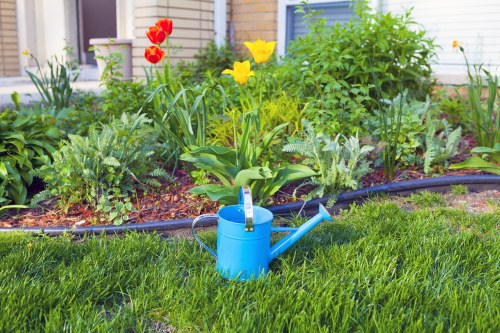
Choosing the right plants is one of the most important parts of landscape gardening in Maryland. Native and regionally adapted species often perform best because they are already suited to the local climate, insects, and soil conditions. They typically need less water once established and can support pollinators and other beneficial wildlife.
Many Maryland gardens benefit from a mix of native trees such as red maple, serviceberry, eastern redbud, and oak varieties. These trees provide shade, seasonal color, and structure. For shrubs, consider inkberry, Virginia sweetspire, winterberry holly, and oakleaf hydrangea. Each offers different textures and forms, helping the garden feel layered and dynamic.
Perennials also play a major role in Maryland landscape gardening. Coneflower, black-eyed Susan, bee balm, columbine, and hosta are popular choices depending on the planting site. Ornamental grasses like switchgrass and little bluestem add movement and seasonal interest. When combined with groundcovers and bulbs, these plants create a garden that changes beautifully throughout the year.
Native and low-maintenance plant ideas
- Eastern redbud for spring blossoms and attractive form
- Black-eyed Susan for cheerful summer color and pollinator support
- Inkberry holly for evergreen structure
- Bee balm for hummingbirds and long-lasting blooms
- Switchgrass for texture and fall appeal
In landscape gardening in Maryland, mixing native and ornamental plants can create a balanced and visually rich design. The goal is not to avoid all non-native plants, but to choose those that are non-invasive, climate-appropriate, and compatible with the overall design. This approach supports both beauty and resilience.
Seasonal Landscape Gardening in Maryland

Because Maryland experiences all four seasons clearly, seasonal planning is essential. A landscape that looks excellent in June may look bare in January if it is built only around summer flowers. The smartest approach to landscape gardening in Maryland is to design for seasonal succession, meaning different plants take center stage at different times of year.
In spring, flowering trees and bulbs can create a dramatic opening to the season. Redbud, dogwood, azalea, tulip, and daffodil are common favorites. Summer brings lush foliage, blooming perennials, and the energy of active outdoor living. During this time, proper watering and mulching become especially important, as high humidity and heat can stress plants.
Autumn in Maryland offers some of the most rewarding colors of the year. Maple trees, oak trees, ornamental grasses, and late-blooming perennials can produce gold, orange, burgundy, and bronze tones. Winter may seem dormant, but it is actually a valuable part of the design. Evergreens, berried shrubs, hardscape elements, and branch structure keep the garden from feeling empty. In landscape gardening in Maryland, winter interest is a mark of thoughtful planning.
Seasonal tasks to keep landscapes healthy
- Spring: prune dead branches, refresh mulch, and plant new additions
- Summer: monitor watering, edge beds, and control weeds early
- Fall: divide perennials, plant bulbs, and clean up fallen leaves
- Winter: inspect drainage, protect vulnerable plants, and plan next season’s improvements
Hardscaping and Outdoor Structure in Maryland Landscapes

Landscape gardening in Maryland is not limited to plants. Hardscaping plays a major role in creating structure, flow, and usability. Patios, walkways, retaining walls, seating areas, edging, and garden borders can transform an ordinary yard into a refined outdoor space. These features also help manage slopes, improve access, and define planting beds.
In many Maryland neighborhoods, especially those with older homes or sloped lots, retaining walls and steps are not just decorative. They solve real grading problems and make the yard safer and easier to navigate. Stone, pavers, brick, and permeable materials are commonly used because they offer durability and a natural look that suits the region. When paired with the right plants, hardscape elements can anchor the entire garden design.
Paths and walkways are especially useful in landscape gardening in Maryland because they guide movement and protect plant beds from being trampled. Curved paths can soften rigid property lines, while straight lines often suit more formal designs. A good hardscape plan should complement the architecture of the home and provide a seamless connection between indoor and outdoor living areas.
Popular hardscape features to consider
- Natural stone patios
- Brick or paver walkways
- Retaining walls for slopes and erosion control
- Raised planting beds
- Decorative edging and borders
Soil Improvement and Drainage Solutions
Soil health is the foundation of successful landscape gardening in Maryland. Even the most beautiful plant palette will struggle if the soil is compacted, nutrient-poor, or poorly drained. A soil test can reveal pH levels and fertility issues, helping you make informed decisions before planting. Many Maryland soils benefit from added compost, leaf mold, or other organic material to improve structure and water retention.
Drainage is another important concern. Heavy rains, snowmelt, and summer storms can cause standing water in low areas. If you notice puddling after rainfall, you may need grading adjustments, French drains, rain gardens, or soil amendments. In landscape gardening in Maryland, water management is not a luxury; it is part of long-term plant health.
Mulch is a practical tool as well. A two- to three-inch layer around shrubs and perennials helps moderate soil temperature, retain moisture, and suppress weeds. However, mulch should never be piled against tree trunks or plant stems. Proper mulch placement is a simple but important detail that protects the landscape from rot and pest issues.
Maryland-Friendly Landscape Styles
There is no single correct style for landscape gardening in Maryland. The best design depends on the architecture of the home, the size of the property, and the preferences of the owner. Still, several styles work especially well in the region because they blend well with local homes and natural surroundings.
Naturalistic gardens use native plants, layered textures, and flowing forms to mimic the look of a woodland edge or meadow. These landscapes often feel relaxed, organic, and wildlife-friendly. They are ideal for homeowners who want low-maintenance beauty with ecological value.
Formal landscapes, on the other hand, rely on symmetry, clean lines, and clipped hedges. They suit historic homes, colonial-style properties, and spaces where a refined look is preferred. Mixed-border gardens combine both approaches, using structure from shrubs and hardscape with the softer movement of perennials and grasses. This style is extremely popular in landscape gardening in Maryland because it offers flexibility and visual interest.
Styles that perform well in Maryland
- Native woodland style for shaded yards and natural settings
- Traditional formal style for classic curb appeal
- Cottage-inspired planting for abundant blooms and texture
- Modern minimalist design for clean lines and easy upkeep
- Pollinator-friendly landscape for ecological value and seasonal color
Watering, Mulching, and Routine Maintenance
A great landscape does not maintain itself. Regular care is part of keeping landscape gardening in Maryland healthy and attractive. Watering needs vary depending on the season, the age of the plants, and the weather pattern. Newly planted trees and shrubs require more frequent watering until roots are established, while mature plants usually need less intervention.
Water deeply and less often rather than giving shallow daily watering. This encourages stronger root systems. Early morning watering is usually best because it reduces evaporation and allows foliage to dry before evening, which can help minimize disease. In Maryland’s humid summers, this detail can make a noticeable difference.
Routine maintenance also includes pruning, weeding, edging, and seasonal cleanup. Some gardeners enjoy this process, while others prefer a more hands-off approach. Either way, choosing plants and layouts that fit your available time is crucial. Landscape gardening in Maryland should enhance your lifestyle, not become a burden.
Maintenance habits that make a big difference
- Inspect plants regularly for stress, pests, or disease
- Refresh mulch annually
- Remove weeds before they seed
- Prune shrubs at the correct time of year
- Adjust irrigation based on rainfall and temperature
Eco-Friendly Landscape Gardening in Maryland
Many property owners are looking for ways to make landscape gardening in Maryland more sustainable. Eco-friendly design does not mean giving up beauty. In fact, environmentally conscious choices often create healthier and more resilient gardens. Native plants, reduced turf areas, rain gardens, composting, and permeable hardscapes are all smart choices that support water conservation and local biodiversity.
Pollinator habitats are especially valuable. Bees, butterflies, and hummingbirds benefit from flowering plants that provide nectar across different seasons. By including a range of bloom times, gardeners can support pollinators from spring through fall. This adds life and movement to the landscape while also helping the wider ecosystem.
Another sustainable practice is reducing lawn space where it is not needed. Turf grass can be useful, especially for play areas and clean visual zones, but it requires frequent mowing, watering, and fertilizing. Replacing some turf with beds, groundcovers, or native meadow plantings can reduce maintenance and resource use. In landscape gardening in Maryland, sustainability and style can absolutely work together.
Common Mistakes to Avoid
Even well-intentioned projects can run into problems when key details are overlooked. One of the most common mistakes in landscape gardening in Maryland is selecting plants based only on appearance rather than suitability. A plant that looks beautiful at the nursery may fail if it cannot handle clay soil, wet conditions, or winter cold.
Another mistake is overcrowding. Small plants may seem spaced too far apart at first, but many will grow much larger over time. Planting too tightly can lead to poor airflow, disease, and a crowded appearance. Proper spacing gives each plant room to develop naturally.
Ignoring drainage, sunlight, and mature plant size is another issue. A garden may look good for the first year but decline quickly if these factors were not considered. Successful landscape gardening in Maryland depends on planning for the future, not just the present. Smart design decisions reduce frustration and improve long-term results.
Problems that can reduce landscape success
- Poor plant selection for the site
- Overwatering or underwatering
- Neglecting soil preparation
- Using too much or too little mulch
- Failing to plan for mature plant size
How to Make Your Maryland Landscape Stand Out
The most memorable landscape gardening in Maryland projects usually combine strong structure with seasonal color and personal style. A property does not need to be large to make an impression. Even a modest front yard can look polished when the planting layout is intentional and the hardscape is clean and well integrated.
Focus on contrast. Mix upright shrubs with spreading groundcovers, broad-leaf plants with fine-textured grasses, and evergreen structure with colorful seasonal bloomers. Contrast keeps the eye moving and prevents the garden from feeling flat. Repeating a few key plants across the property can also create unity and make the entire design feel cohesive.
Finally, think about how the landscape feels from multiple viewpoints. A front entrance, kitchen window, patio, and driveway may all reveal different parts of the garden. Great landscape gardening in Maryland works from every angle, offering interest and balance wherever people look. That is what turns a simple yard into a well-composed outdoor setting.
Professional Help and Next Steps
Some homeowners prefer to handle parts of the work themselves, while others want expert support from start to finish. Either approach can work well, depending on the size of the project and the level of detail involved. If the site has drainage problems, steep slopes, poor soil, or a complex planting vision, professional assistance can save time and help avoid expensive mistakes.
Landscape gardening in Maryland often benefits from a thoughtful blend of design knowledge, plant expertise, and technical skill. Professionals can help with layout, plant selection, grading, hardscaping, and ongoing maintenance planning. For property owners who want a polished and lasting result, expert input can make a major difference.
Whether you are refreshing flower beds, building a new patio, or rethinking your entire yard, the best time to start is now. A strong landscape adds beauty, function, and long-term value to your property. Contact us today to discuss your project, or book your service now if you are ready to transform your outdoor space into something distinctive and enduring.
Conclusion
Landscape gardening in Maryland is both an art and a practical investment. With the state’s varied climate, seasonal changes, and diverse soil conditions, the most successful gardens are built on planning, plant knowledge, and a clear design vision. From native plants and sustainable practices to hardscaping and seasonal structure, every element contributes to a landscape that feels alive and intentional.
When you approach landscape gardening in Maryland with the right strategy, your yard can become a place of beauty, relaxation, and year-round enjoyment. By choosing plants that fit the region, improving soil and drainage, and creating a layout that suits your property, you can achieve a landscape that looks great and performs well for years to come. If you are ready to improve curb appeal and outdoor living, now is the perfect time to take the next step.