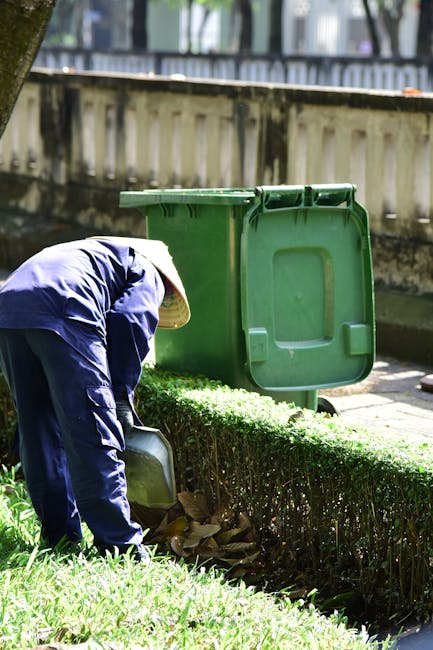
Newham Council Garden Waste Permits Explained for Homeowners
If you own a home in Newham and the garden is quietly producing more green waste than your bin can handle, you are not alone. Hedge cuttings, grass clippings, branches, old plants, and the odd soggy pile of leaves can build up fast, especially after a weekend of good weather and a determined tidy-up. This guide to Newham Council garden waste permits explained for homeowners breaks the process down in plain English, so you can understand what the permit is for, how it typically works, what to watch out for, and how to decide whether it is the right option for your garden.
We will also look at alternatives, practical preparation tips, and the kind of mistakes that can make an otherwise simple job feel annoyingly complicated. Let's face it, nobody wants to stand next to a brimming sack of cuttings wondering whether they've just done the wrong thing.
Table of Contents
- Why Newham Council garden waste permits explained for homeowners matters
- How Newham Council garden waste permits explained for homeowners works
- Key benefits and practical advantages
- Who this is for and when it makes sense
- Step-by-step guidance
- Expert tips for better results
- Common mistakes to avoid
- Tools, resources and recommendations
- Law, compliance, standards, or best practice
- Options, methods, or comparison table
- Case study or real-world example
- Practical checklist
- Conclusion
- Frequently Asked Questions
Why Newham Council garden waste permits explained for homeowners Matters
For most homeowners, garden waste is one of those small domestic jobs that becomes a much bigger nuisance if you ignore it for two or three weeks. A clipped hedge starts taking up half the path. A few sacks of turf sit in the corner. Then the weather turns damp, and suddenly everything smells a bit earthy and a bit too alive. A clear understanding of garden waste permits helps you stay ahead of that problem.
The main reason this matters is simple: local garden waste rules affect how you store, move, and dispose of organic material from your property. If you know what is expected, you can plan garden maintenance properly, avoid unnecessary collection issues, and keep your outdoor space manageable. It also helps if you regularly book work through a professional service such as garden maintenance support or ongoing lawn care, because the waste generated from routine work can be substantial even in a modest back garden.
There is another reason too. Garden waste is not just "rubbish". In the UK, green waste is usually handled differently from general household waste, and councils often want it kept separate for collection, composting, or controlled disposal. That distinction sounds boring until you've got the wrong material in the wrong place and the collection is refused. Then it suddenly becomes very interesting indeed.
For homeowners, this is less about bureaucracy and more about making the garden easier to live with. If your garden is part wildlife corner, part family hangout, and part weekend project, you need a system that fits real life. Permits can be part of that system when council rules require additional authorisation for certain volumes, container types, or collection arrangements.
How Newham Council garden waste permits explained for homeowners Works
While the exact arrangement can change over time, the practical idea is usually straightforward: a permit or approval helps a homeowner manage garden waste in a way that fits the council's collection framework. In some cases, this may relate to extra bins, sacks, or collection access. In others, it may support a specific service level for properties that generate more waste than a standard household setup can comfortably handle.
In plain terms, think of the permit as a way of saying, "this property produces enough green waste that we need a formal route for it." That could matter after a major cutback, a small landscaping project, or a full seasonal tidy-up. A single mow is one thing. A full border clearance with hedge trimmings, roots, and rose clippings is another.
Homeowners usually need to pay attention to a few moving parts:
- what type of waste is covered
- how much waste is accepted
- where the waste must be placed for collection
- whether the permit is tied to a specific property or address
- how long the approval lasts
If you are already planning larger garden work, it can help to think ahead about the waste stream before the pruning starts. That's especially true if you are working on a larger boundary or tree-related job and might need tree surgery services or even a careful hedge refresh informed by hedge trimming techniques. The waste from those jobs behaves differently from everyday grass cuttings.
One practical point people sometimes miss: not every bit of garden debris is suitable for the same collection route. Soil, stones, treated timber, plastic plant pots, and mixed household rubbish often fall outside normal green waste rules. If you lump everything together, you may create a problem that is completely avoidable.
Key Benefits and Practical Advantages
A permit or formal garden waste arrangement can be surprisingly useful once the garden starts producing regular waste. Yes, it is admin. But it also creates order, and order in a garden saves time, effort, and the occasional mild panic on bin day.
- Cleaner storage: waste is easier to keep neat when you have a proper disposal route.
- Less clutter: cuttings do not linger in the corner of the patio or by the shed.
- Better garden rhythm: you can prune, mow, and clear borders without worrying about the aftermath.
- Fewer rejected collections: if you understand the rules, the waste is more likely to be accepted.
- More practical seasonal maintenance: autumn leaf fall and spring cutbacks become easier to handle.
There is also a broader lifestyle advantage. A tidy garden is easier to enjoy. If the space is already working well, it might be a place for seating, herbs, or a play area. When the waste side of the equation is sorted, the rest of the garden becomes much more appealing. Our own experience is that homeowners often focus on the visible side of gardening first and only think about disposal after the pile has grown. It works better the other way round.
For example, if your outdoor space includes seating or family zones, a better waste setup gives you more freedom to keep those areas pleasant. A smart layout, along with occasional work on beautiful seating areas, can turn the garden from a chore into a place you genuinely use.
And there is a sustainability angle too. Responsible green waste handling supports recycling and composting pathways where councils provide them. That is a small but meaningful win. Not dramatic, just sensible. Often that's the best kind of improvement.
Who This Is For and When It Makes Sense
This topic matters most for homeowners who generate more than a minimal amount of garden waste. If you only deadhead a couple of pots and cut a small lawn, you may never need to think deeply about permits. But if any of the following sound familiar, it is worth paying attention:
- you have a medium or large garden
- you regularly prune hedges, shrubs, or small trees
- you are recovering an overgrown garden
- you compost some waste but still have surplus material
- you hire gardeners for seasonal maintenance
- you have limited car access and cannot easily take waste to a tip
It also makes sense if your garden is changing. A low-maintenance plot can suddenly become a planting-heavy one, especially after you add borders, hedges, climbers, or a herb patch. A project that starts with a few plants may end up generating regular pruning waste, and that is where a permit or council collection arrangement becomes part of the planning rather than an afterthought.
If you are new to gardening altogether, start by reading about must-know tips for new gardeners. It sounds unrelated, but it helps you plan the garden in a way that keeps future waste manageable from day one.
Homeowners with shaded corners, climbers, hedges, and dense planting may also produce more cut material than expected. A quick look at evergreen climbers or quick-growing hedges is enough to see why. Great for privacy, lovely for structure, and yes, they create plenty of clippings.
Step-by-Step Guidance
If you want to handle garden waste properly, the process is usually easier when broken into sensible stages. Here is a practical way to approach it.
- Assess the volume of waste. Look at what your garden actually produces over a normal month. A few bin bags? Several sacks? Regular hedge cuttings?
- Separate green waste from mixed waste. Keep leaves, grass, twigs, and prunings apart from soil, stones, broken pots, and general household rubbish.
- Check the council route that applies to your home. If a permit or approval is needed, confirm whether it is linked to your address, collection day, or container type.
- Prepare waste correctly. Bag or bundle material as instructed. Overfilled sacks cause more trouble than people expect. They tear, spill, and become heavy in that awkward, back-straining way.
- Store it safely before collection. Keep waste clear of footpaths, front gates, or drainage areas.
- Track renewal or review dates. If the permission is time-limited, put a reminder in your calendar so the next collection cycle is not disrupted.
A small but useful habit is to do a ten-minute tidy after each larger gardening session. The shed floor stays clearer, the waste doesn't harden into a soggy mess, and you can see what is ready to go. It is boring. It works.
If your garden work involves more than tidying, it may help to organise the whole project around the job itself. For example, after a larger garden revival, it is easier to separate waste at source if you've planned the process with a guide like begin your garden's revival in mind.
And if you are dealing with heavy clearing, you may find it worth combining the waste plan with professional support through gardening services or landscaping, especially where the job includes layered borders, edging, or old planting that must be removed carefully.
Expert Tips for Better Results
Here is where the small gains matter. A tidy system for garden waste often comes down to details that most people only learn after a few frustrating weekends.
- Cut waste down before collection. Shorter clippings are easier to manage and less likely to snag.
- Let very wet material drain. Damp grass and soaked leaves weigh more than they look.
- Use the right container size. Too big and it becomes unmanageable. Too small and you need too many bags.
- Keep a dedicated corner for green waste. A simple staging area saves repeated trips across the garden.
- Schedule garden work around collection timing. If possible, do bigger cuts shortly before your approved collection date.
For homeowners with dense planting, good maintenance habits reduce waste at the source. Regular trimming is far easier than allowing shrubs to surge and then dealing with an avalanche of cuttings later. If privacy planting is a priority, consider reading privacy hedge ideas and pairing them with a routine hedge maintenance plan.
If your garden is exposed to weather, timing matters even more. Wet weather can turn a simple clear-up into a grim little logistics exercise. A bit of planning helps; so does reading practical advice on weatherproofing your garden and managing windy gardens. That way you are not fighting both the weather and the waste pile at the same time.
Truth be told, the most efficient homeowners are not the ones with the fanciest tools. They are the ones who keep waste management boring and predictable. Boring is underrated.
Common Mistakes to Avoid
Most garden waste headaches come from a small set of avoidable mistakes. Once you know them, they are easy to sidestep.
- Mixing green waste with household rubbish. This is a classic error and often the easiest way to create a collection issue.
- Overloading sacks or bins. Heavy, bulging bags are awkward to move and more likely to split.
- Leaving waste out too early. Bags left exposed can attract pests or become waterlogged.
- Assuming all garden material is the same. Branches, grass, soil, and woody stems often need different handling.
- Forgetting to check renewal rules. If the permit has a fixed period, an expired arrangement can disrupt collection.
Another mistake is planning a major cutback before thinking about disposal. We have all done it. The hedge looks a bit shaggy on Saturday morning, so you crack on. By lunchtime there is a mountain of cuttings, and the energy in the room drops. A small planning pause saves that feeling.
If the garden has become overgrown, start with a staged approach and consider practical support from garden maintenance or a wider reset informed by creating nutrient-packed soil from waste. The second link is particularly useful if you want to reuse some of the organic material rather than sending everything away.
And yes, keep an eye on safety too. Wet bags, sharp stems, uneven surfaces, and awkward lifting can all make a simple job unpleasant. A little care goes a long way.
Tools, Resources and Recommendations
You do not need a shed full of expensive equipment to manage garden waste well. You do, however, need a few dependable basics.
| Tool or resource | Why it helps | Best for |
|---|---|---|
| Sturdy garden sacks | Makes green waste easier to sort and lift | Leaves, grass, soft cuttings |
| Secateurs or loppers | Reduce branch size before disposal | Hedges and small woody stems |
| Wheelbarrow or garden trolley | Spreads the load and saves your back | Moving waste to the front or storage point |
| Heavy-duty gloves | Protects hands from thorns and rough stems | General clearing and pruning |
| Compost area or heap | Lets you reuse some organic waste | Leaves, soft clippings, kitchen-safe garden compost |
For householders who want to keep the garden in strong shape between larger clear-ups, a few supporting resources are especially useful. top gardening tools can help you choose sensible equipment, while container gardening basics can reduce some of the mess that comes with sprawling planting. If you are trying to keep maintenance low, low-maintenance garden tips are well worth a look too.
If you are deciding whether to do the work yourself or bring in help, it is worth comparing the mess, time, and lifting involved. A professional team can often make the whole process smoother, particularly if the job includes mowing, edging, hedge work, or clearing old growth. In that case, lawn mowing, patio cleaning, and fencing projects may all create additional green waste or debris that needs handling carefully.
Law, Compliance, Standards, or Best Practice
Garden waste rules are best approached with caution and common sense. Councils generally expect residents to separate garden waste correctly, present it in the approved format, and avoid mixing it with non-green material. The precise permit conditions, collection rules, and eligibility criteria can change, so homeowners should always follow the current council guidance for their address.
As a general best practice, keep these principles in mind:
- Use the correct collection method for your property and waste type.
- Do not overfill containers or present waste in a way that creates a hazard.
- Keep waste clean and separated from soil, rubble, plastics, and general rubbish.
- Follow storage and timing instructions so collections can be completed safely.
- Check for renewal or update requirements if your permit is time-limited.
Where garden work involves ladders, cutting equipment, or larger branches, safety becomes part of compliance too. It is sensible to work in line with sound horticultural practice and to avoid rushing. If you are hiring help, ask how they manage waste, what they expect from the homeowner, and whether the service includes clean-up. A reliable team will be clear about that. You can also review a company's approach to health and safety and insurance and safety before booking.
One more point: if you are not sure whether an item belongs in garden waste, treat it as a separate category until you confirm. It is much easier to sort a small pile than to undo a mixed one. That little rule saves a lot of bother.
Options, Methods, or Comparison Table
Most homeowners end up choosing between a few different ways to manage garden waste. The right option depends on volume, frequency, storage space, and how much effort you want to spend.
| Option | Best for | Pros | Trade-offs |
|---|---|---|---|
| Council permit or authorised collection | Regular garden waste output | Structured, convenient, suited to repeat use | May involve rules, renewal, or limits |
| Home composting | Leaves, grass, soft clippings | Low cost, eco-friendly, reduces volume | Not suitable for everything, takes space and patience |
| Self-delivery to a disposal site | Occasional larger clear-outs | Useful for one-off jobs | Needs transport, time, and manual loading |
| Professional gardening service | Heavy pruning, overgrowth, or ongoing maintenance | Saves time, reduces lifting, faster clean-up | Higher upfront cost than doing it yourself |
For many householders, the sweet spot is a mix of approaches. Compost what you can, use council collection or permit-based disposal for the rest, and bring in help when the job is too big for a Saturday morning. That approach keeps the garden under control without turning it into a second job.
If you are considering wider garden improvements, it may also be sensible to pair waste planning with work on landscaping or decking services. Larger projects often produce more waste than expected, and planning for that upfront is far less stressful than trying to solve it mid-project.
Case Study or Real-World Example
Picture a typical Newham homeowner with a modest rear garden, a narrow side return, and a hedge that seems to grow a little every time the wind changes direction. The garden looks fine from a distance, but by late spring the grass cuttings, small branches, and leaf litter are starting to pile up. At first, everything goes into a few sacks in the shed. Then the sacks start taking over the space where the mower should be.
Rather than letting the waste build up for weeks, the homeowner separates the garden routine into two parts. First, the grass and soft clippings are collected weekly. Second, hedge and shrub cuttings are bundled after pruning day and kept ready for the council collection route that applies to the property. The result is simple: less mess, less stress, and no awkward last-minute scramble when the pile gets bigger than expected.
That same homeowner also decides to make the garden easier to maintain in the future. A few sections are switched to ground cover, some borders are simplified, and seating is shifted to a cleaner corner. The garden becomes easier to use and easier to clear. If you want ideas for that sort of redesign, ground cover choices and vertical garden ideas can be useful starting points.
It's a small change, honestly, but it can make a garden feel twice as manageable. The sort of improvement you notice on a Tuesday evening when you look out and think, oh, that actually works.
Practical Checklist
Use this checklist before your next garden clear-up or permit-related collection:
- Check what type of waste you have: grass, leaves, branches, roots, soil, or mixed debris
- Confirm whether your home needs a permit, registration, or specific collection arrangement
- Separate green waste from household waste and non-organic material
- Cut larger items down to manageable sizes where allowed
- Use sturdy sacks, bins, or bundles that will not split or fall apart
- Keep waste dry, safe, and out of the way before collection
- Note any renewal or collection date on your calendar
- Review safety considerations before lifting heavy bags or sharp stems
- Book support if the job is bigger than expected
- Think about long-term maintenance so the waste problem stays smaller next time
If the garden is also home to children or pets, waste planning needs a little extra care. Sharp stems, compost piles, and heavy bags are not ideal near play spaces. For that reason, it can help to review child-friendly garden ideas and pet-friendly garden guidance at the same time as your waste setup.
Conclusion
For homeowners, garden waste permits are less about paperwork and more about keeping outdoor life practical. Once you understand the rules, the whole process becomes easier: you know what to separate, how to store it, when to present it, and when it is time to bring in help. That clarity matters, especially when the weather is wet, the hedge is growing fast, and the pile of clippings is starting to look like its own ecosystem.
Handled well, garden waste management supports a cleaner garden, fewer collection issues, and a calmer routine through the year. It also makes bigger jobs easier, whether you are improving a lawn, reshaping boundaries, or simply trying to get your back garden back under control after a busy season.
If you are still unsure which route is best for your property, a short conversation with a gardening professional can save a lot of guesswork. And once the waste side is sorted, the rest of the garden feels much more enjoyable. Honestly, that is often the turning point.
Get a free quote today and see how much you can save.
And if the garden has been quietly winning the battle for a while, that's fine too. A good plan beats a heroic Sunday sprint every time.
Frequently Asked Questions
What are Newham Council garden waste permits for homeowners?
They are the formal arrangement homeowners may need for the collection or disposal of garden waste where council rules require it. The aim is to manage green waste properly and keep collection routes clear and consistent.
Do I need a permit for every type of garden waste?
Usually not. Garden waste is often treated separately from general rubbish, but not every item belongs in the green waste stream. Soil, rubble, plastics, and treated materials may be excluded. Always separate materials carefully.
How do I know if my home needs one?
Check the current rules that apply to your property and consider how much waste your garden actually produces. If you regularly prune hedges, mow a large lawn, or do seasonal clear-outs, a permit or formal collection arrangement may be relevant.
Can I just compost everything instead?
You can compost some organic waste, especially leaves, grass, and soft cuttings. But not everything is suitable for composting, and most homeowners still need another route for larger or woody material.
What happens if I mix garden waste with household rubbish?
Collections may be refused or delayed, and you may end up having to sort everything again. Mixing waste is one of the easiest ways to create avoidable problems, so it is best to keep it separate from the start.
Is a council garden waste permit the same as a bulky waste collection?
No, not usually. Bulky waste services are generally for larger household items, while garden waste arrangements are for organic outdoor material. They serve different purposes and are handled differently.
How often should I clear garden waste?
That depends on the size of your garden and the time of year. During spring and autumn, many homeowners need more frequent clear-ups because growth and leaf fall increase. A little and often approach is usually easiest.
Can a gardening service handle the waste for me?
Yes, many homeowners choose that route for convenience. A professional team can manage pruning, collection, and clean-up together, which is especially helpful for bigger jobs or overgrown gardens.
What should I do with thick branches or hedge trimmings?
Cut them down to manageable sizes where appropriate, bundle them securely, and follow the collection rules that apply to your property. If the job is substantial, it may be better to book professional help rather than struggle with heavy material yourself.
Are garden waste rules the same across London?
No, they can vary from one council area to another. Even nearby boroughs may handle garden waste differently, so it is important to follow the guidance for your specific home rather than assuming the same process applies everywhere.
What is the easiest way to avoid problems with a garden waste permit?
Keep your waste separated, do not overfill bags or bins, check any renewal dates, and plan bigger cuts around collection times if you can. That simple routine prevents most of the common headaches.
Where can I get help if my garden has become too much to manage?
If the garden has outgrown your time, tools, or energy, bring in professional support. Start by looking at gardening services, then ask for practical advice on waste handling, maintenance frequency, and the clean-up needed after the work is done.